CALL US :
+977-1-5904819

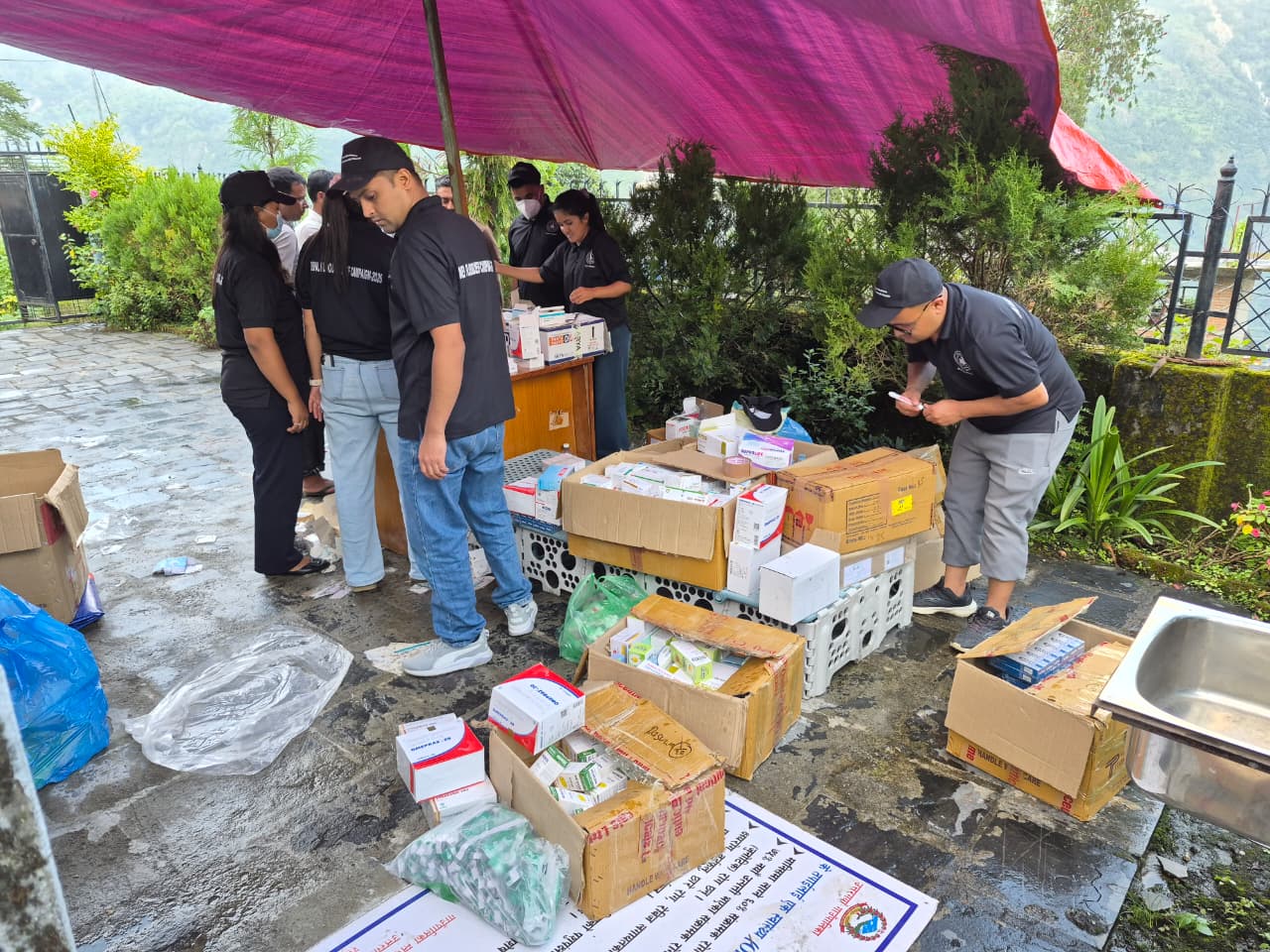
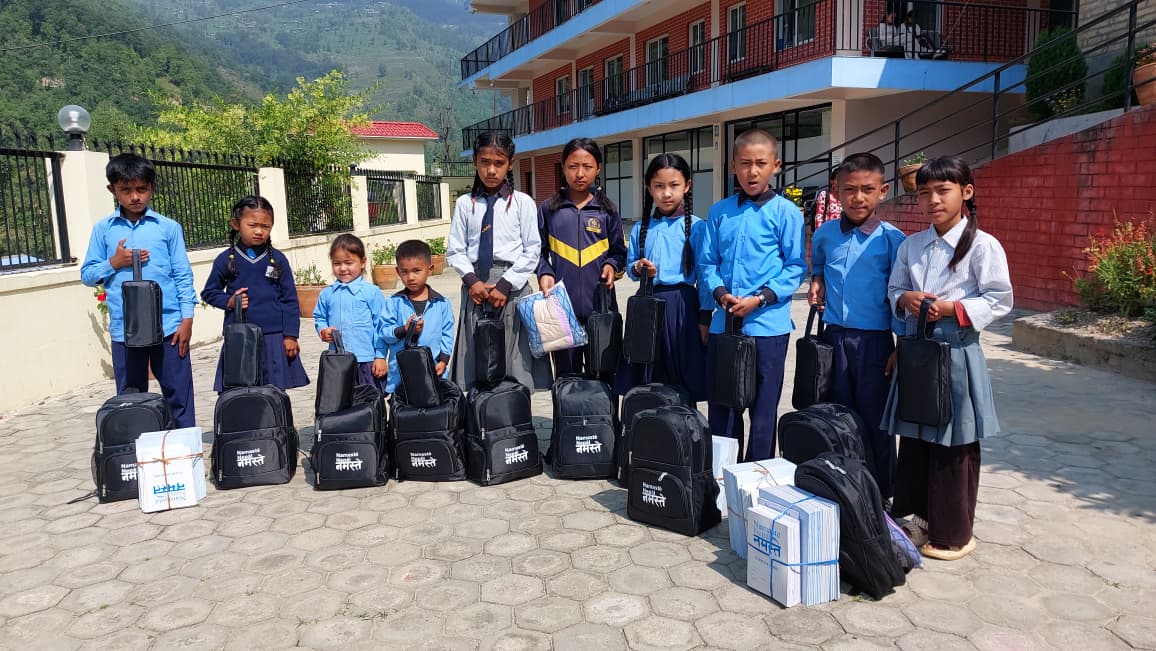
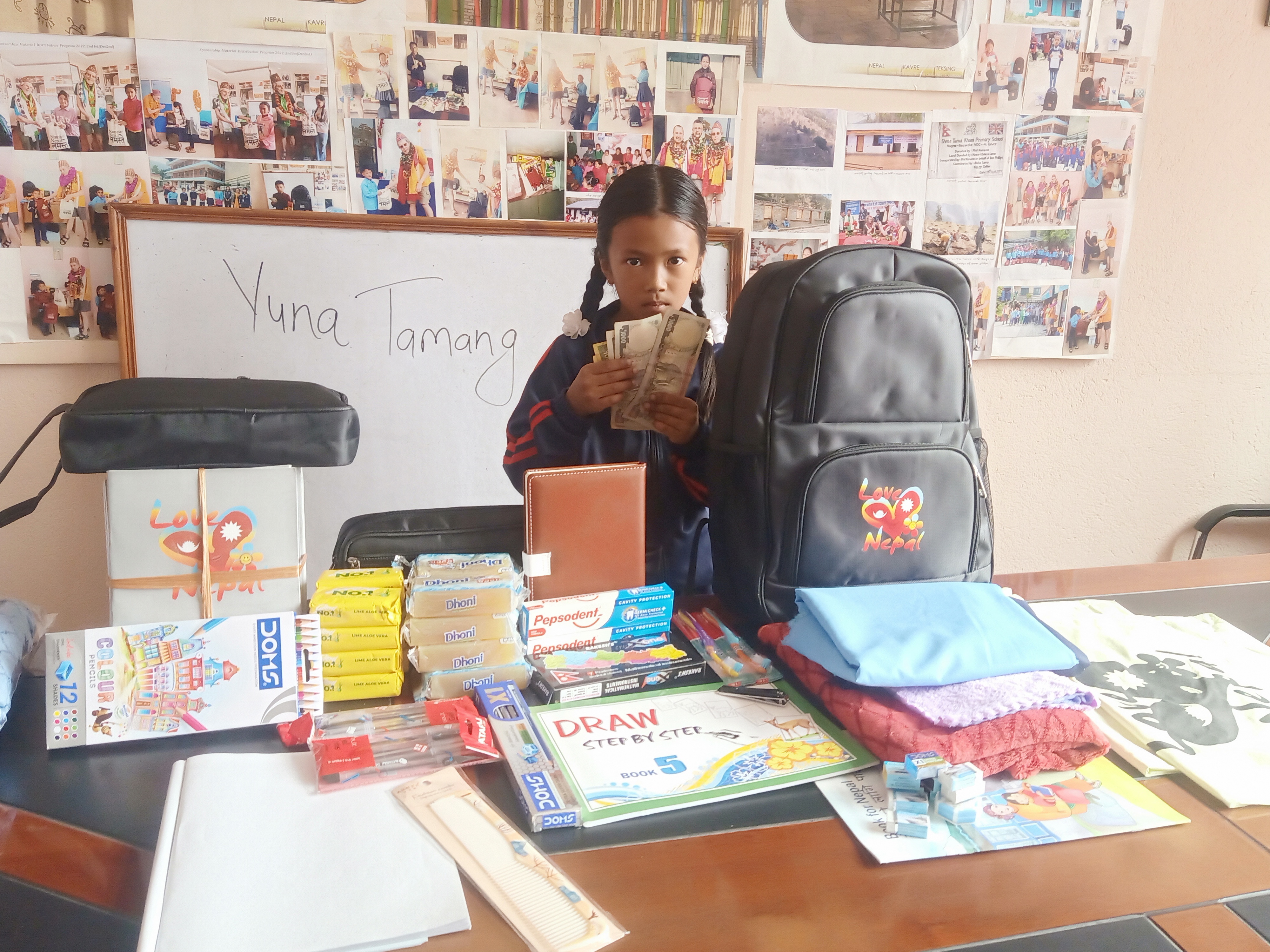
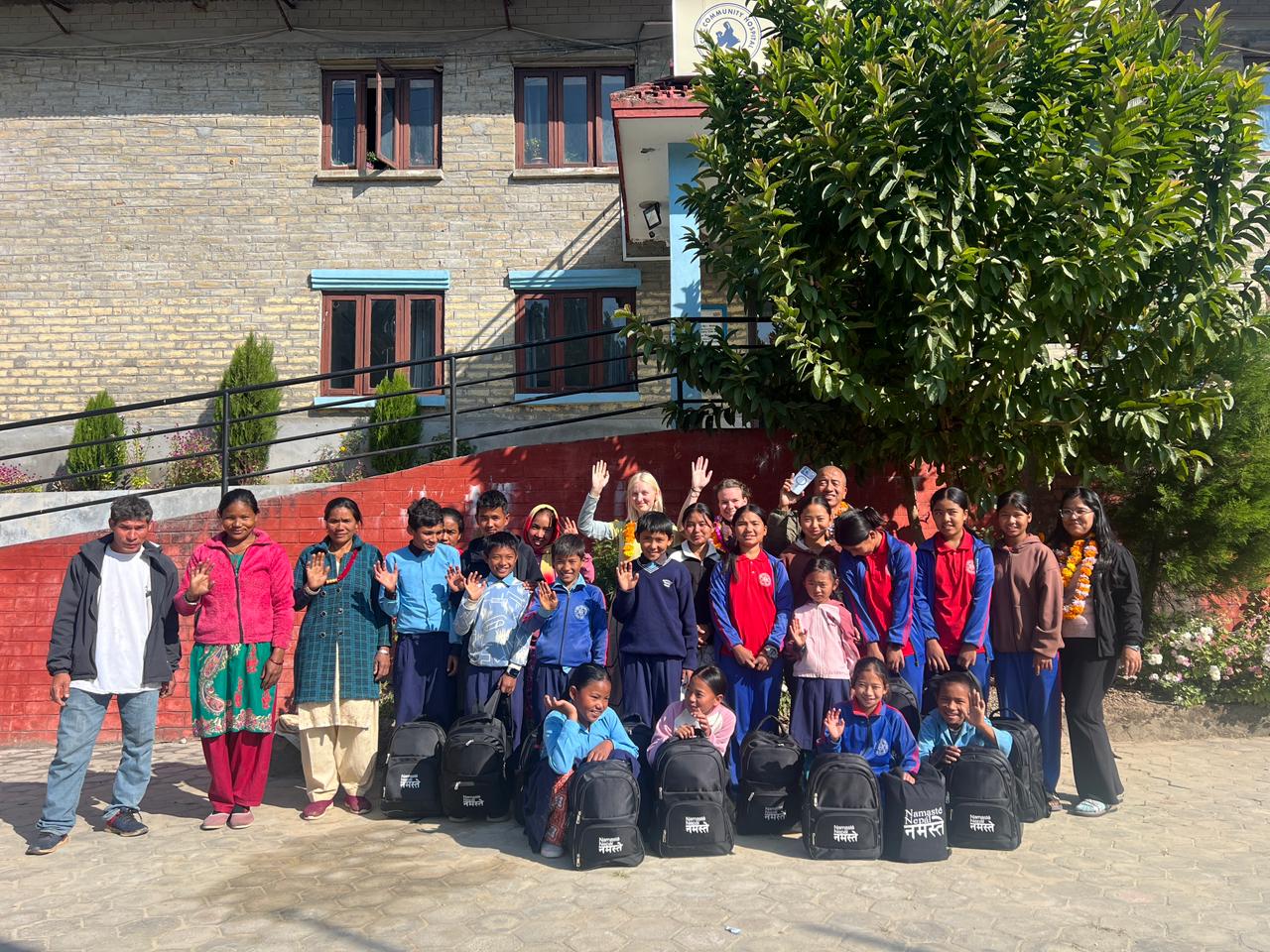

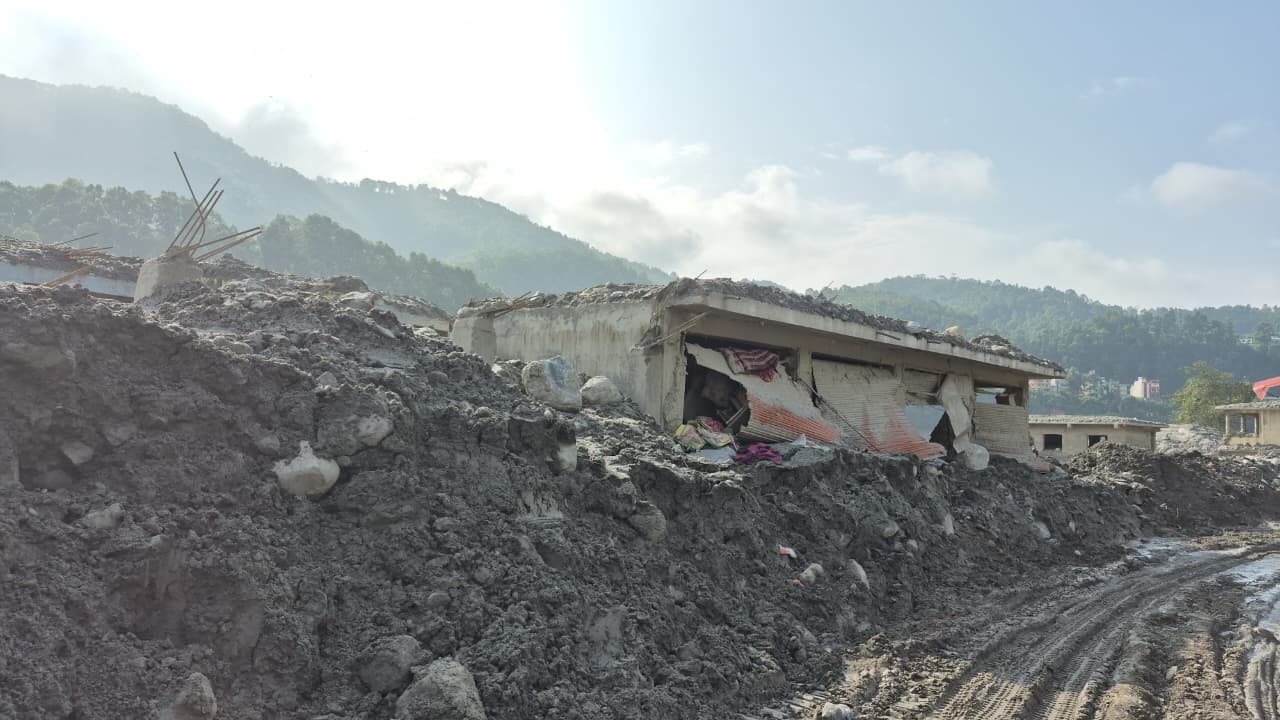
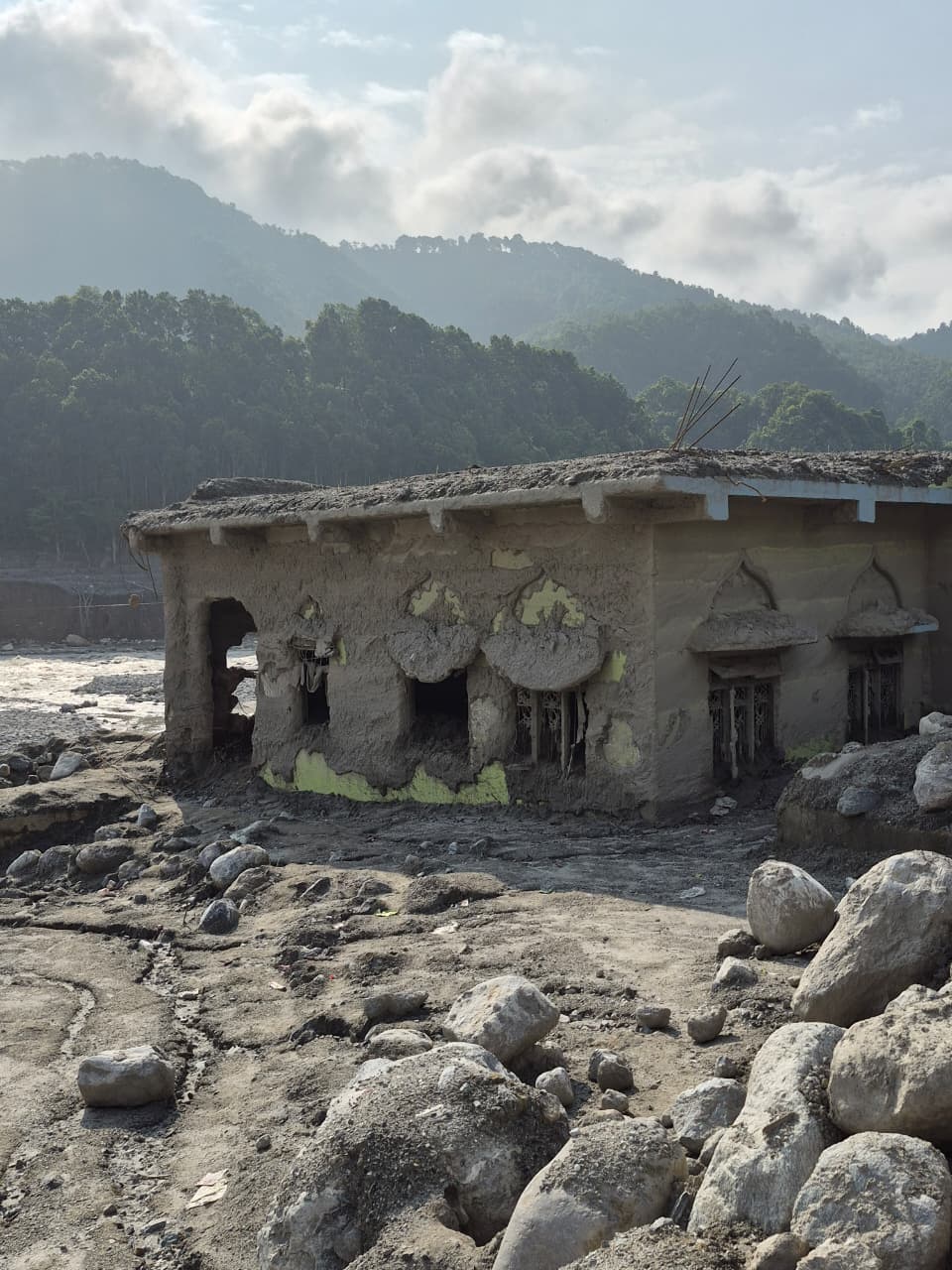
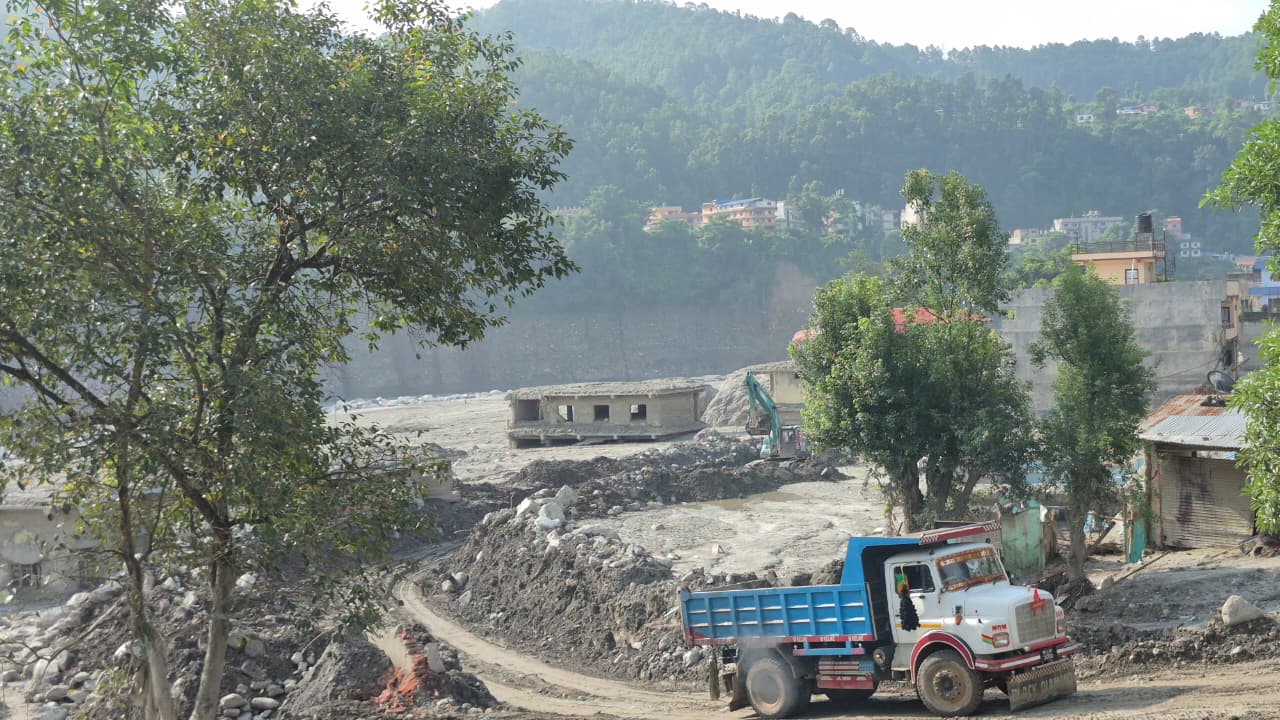
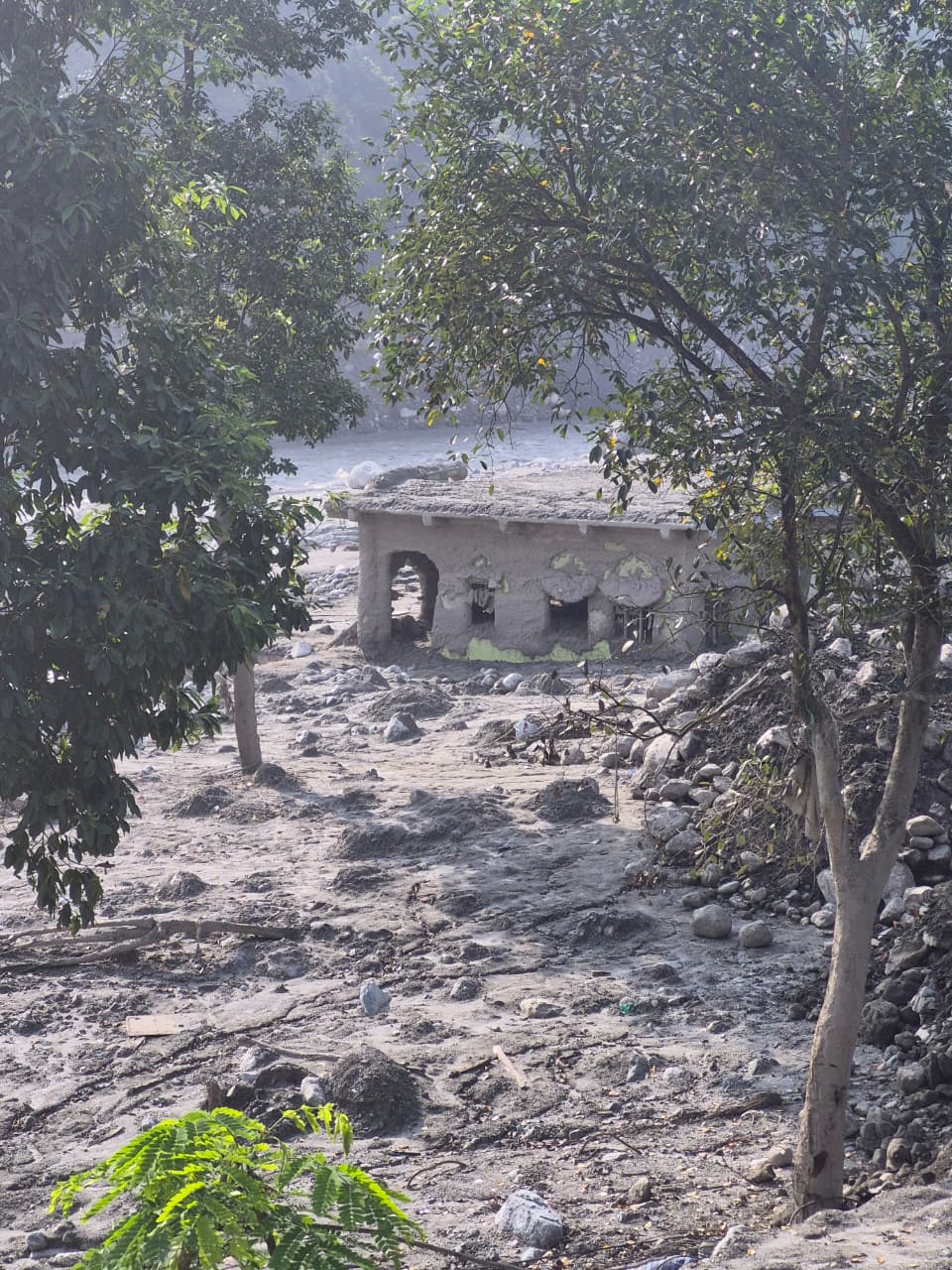
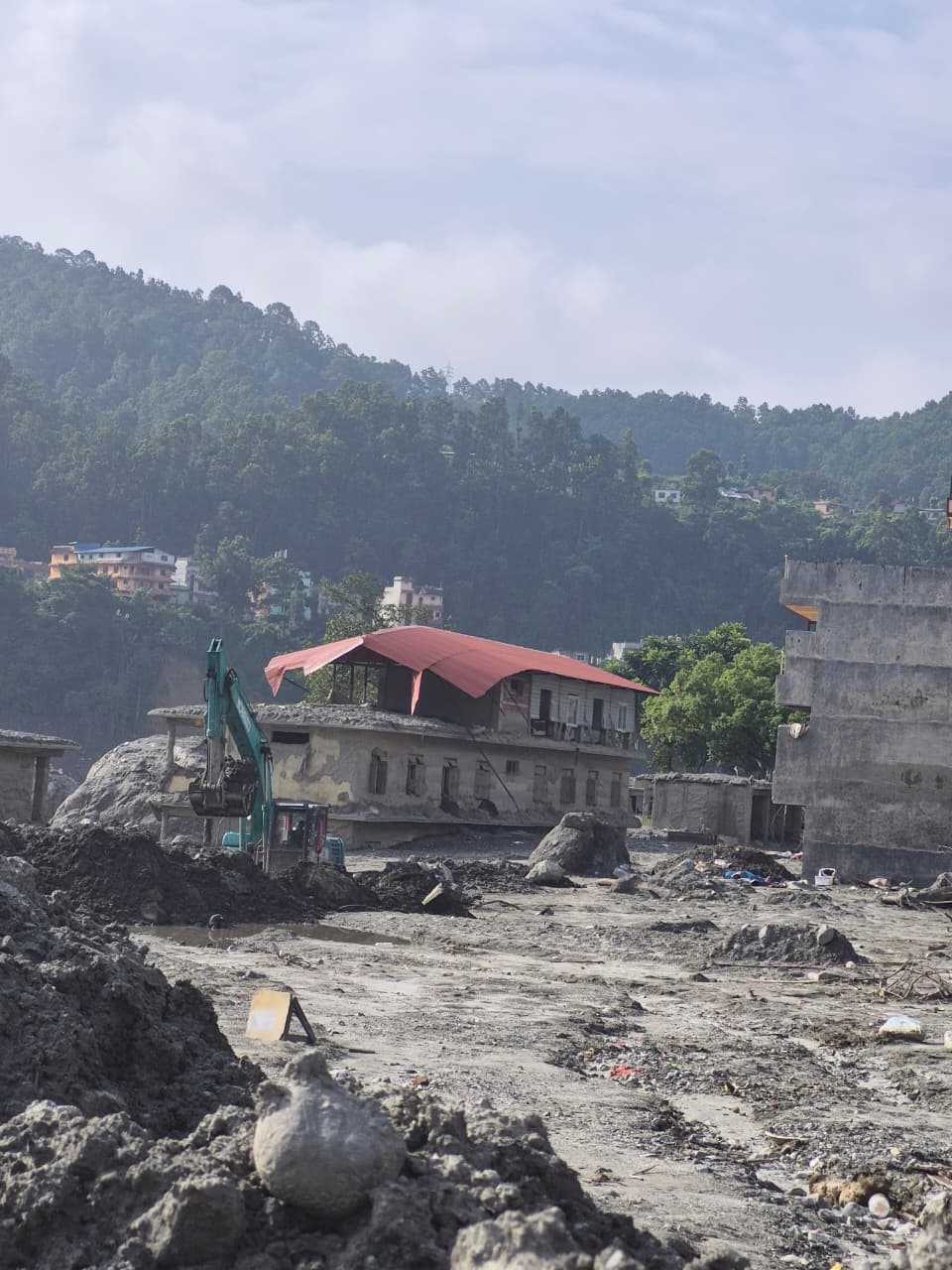
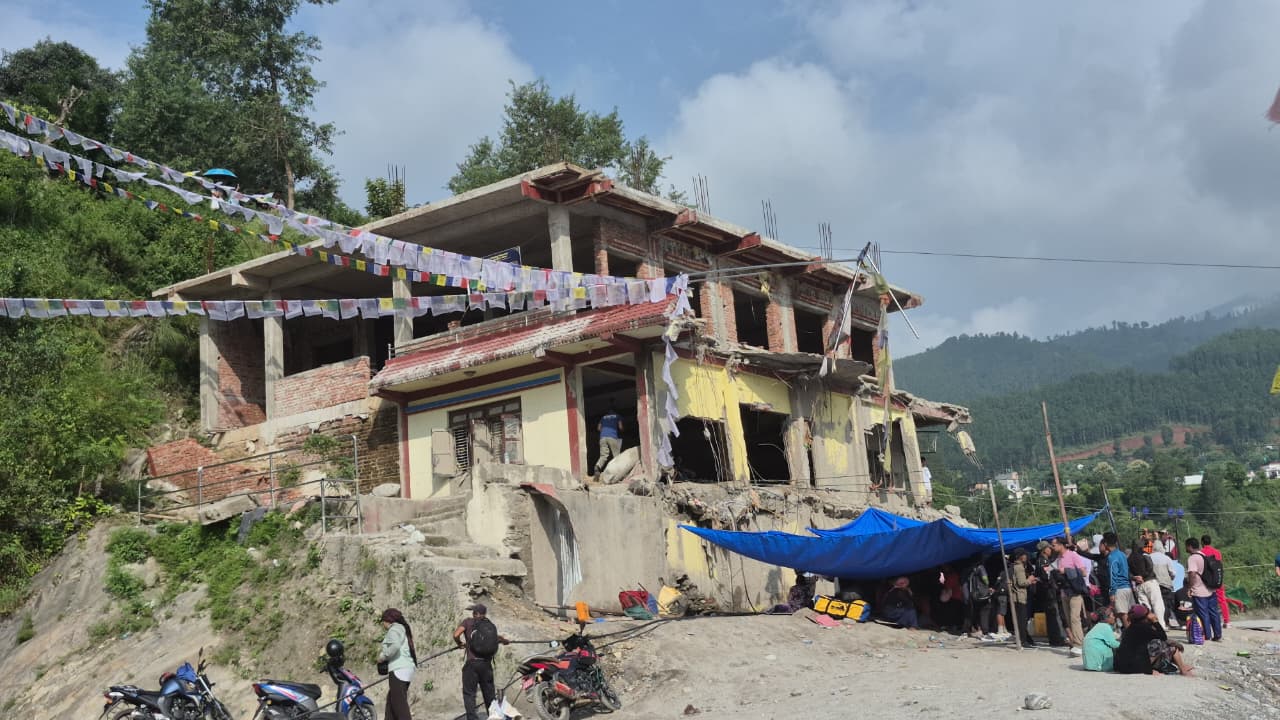
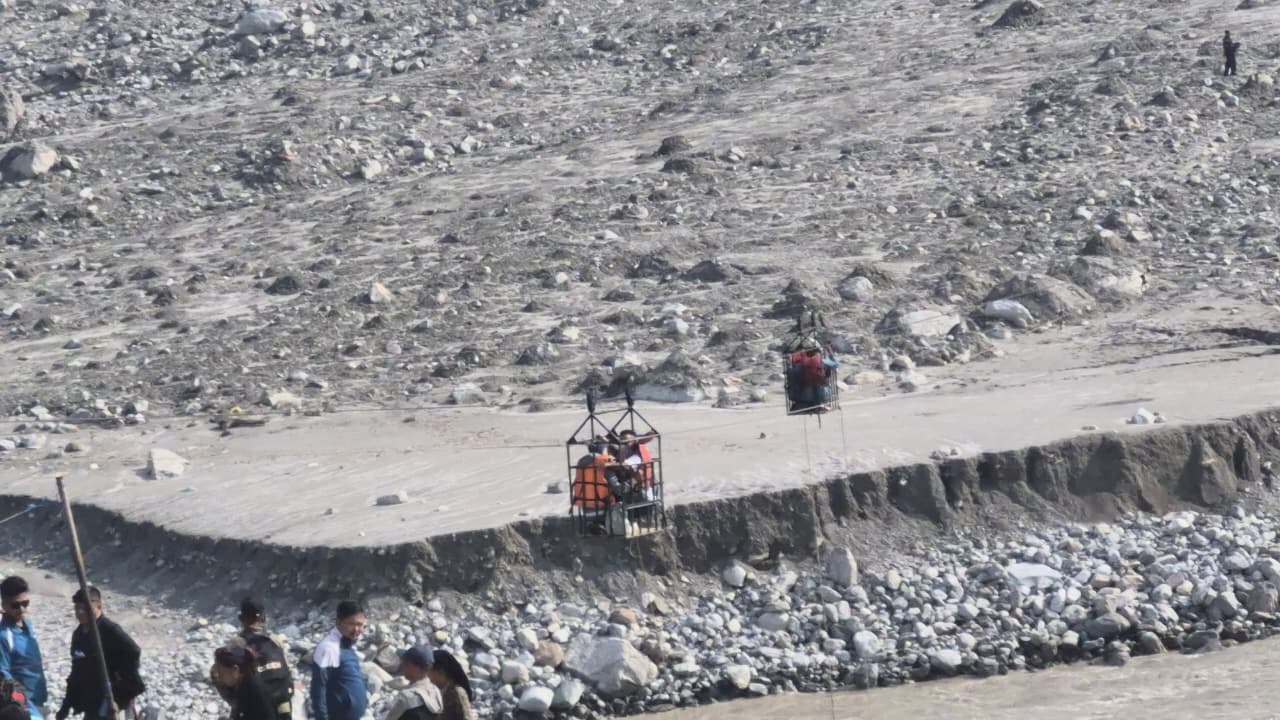
The Bhotekoshi flood of 26 August 2026 affected communities in Rasuwa and Nuwakot districts, creating difficulties in accessing health services, medicines and essential food items. In response to the immediate needs of affected households, the Development of Children and Women Center, Kathmandu, with support from Gary Collier, Love Nepal, UK, and Steve Gross and friends, USA, organized a short field response from 16 to 19 September 2026. The response focused on essential medicines, free health services and basic food assistance for vulnerable flood-affected communities.
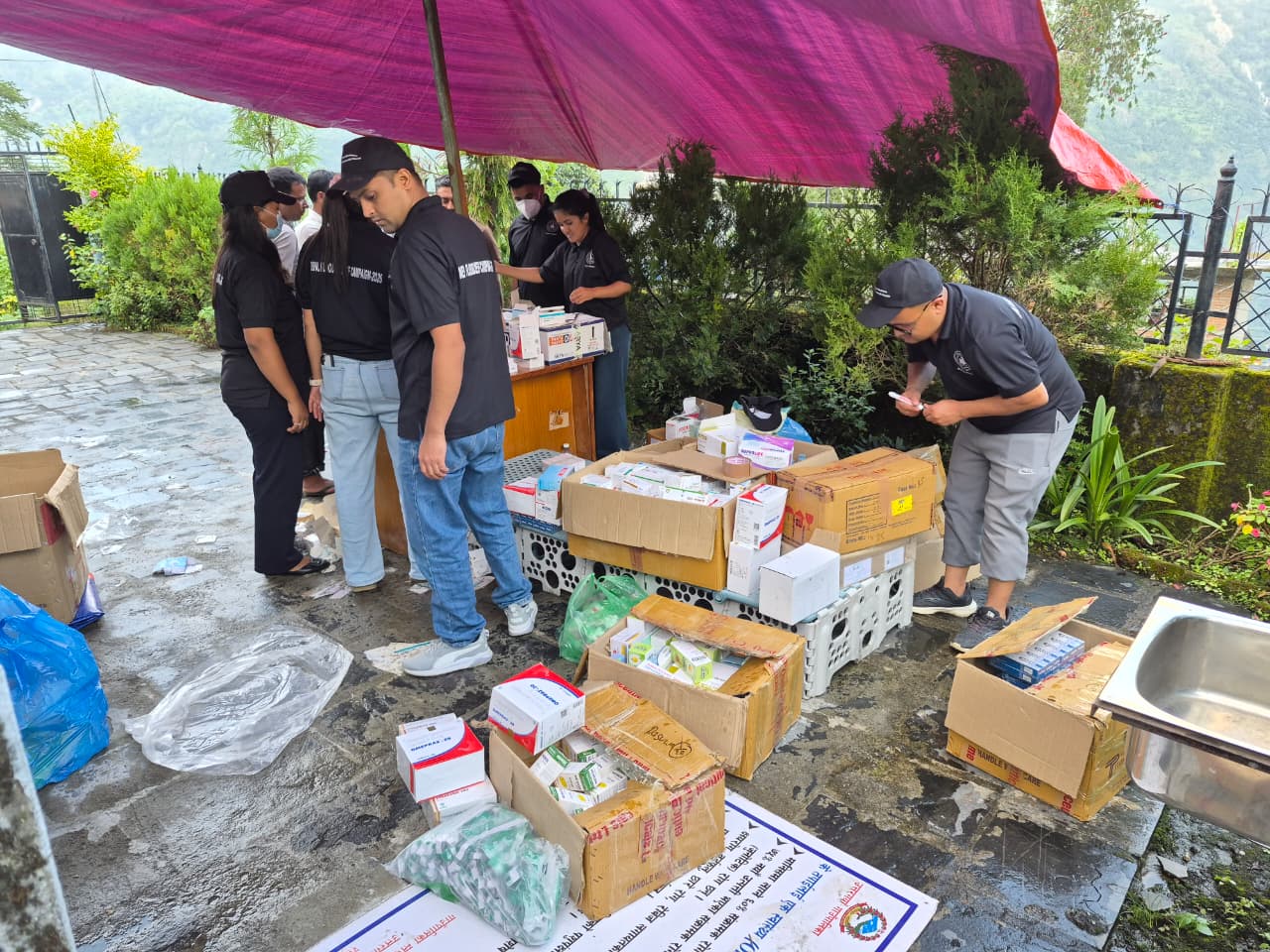
The activities were implemented in Rasuwa District, Bagmati Province, Nepal, particularly in Uttargaya Rural Municipality Wards 2 and 3. Essential medicines were also handed over to Kispang Rural Municipality for distribution to people who require regular medication but were unable to travel to hospitals or health facilities to obtain their medicines.
Activity 1: Handover of Essential Medicines
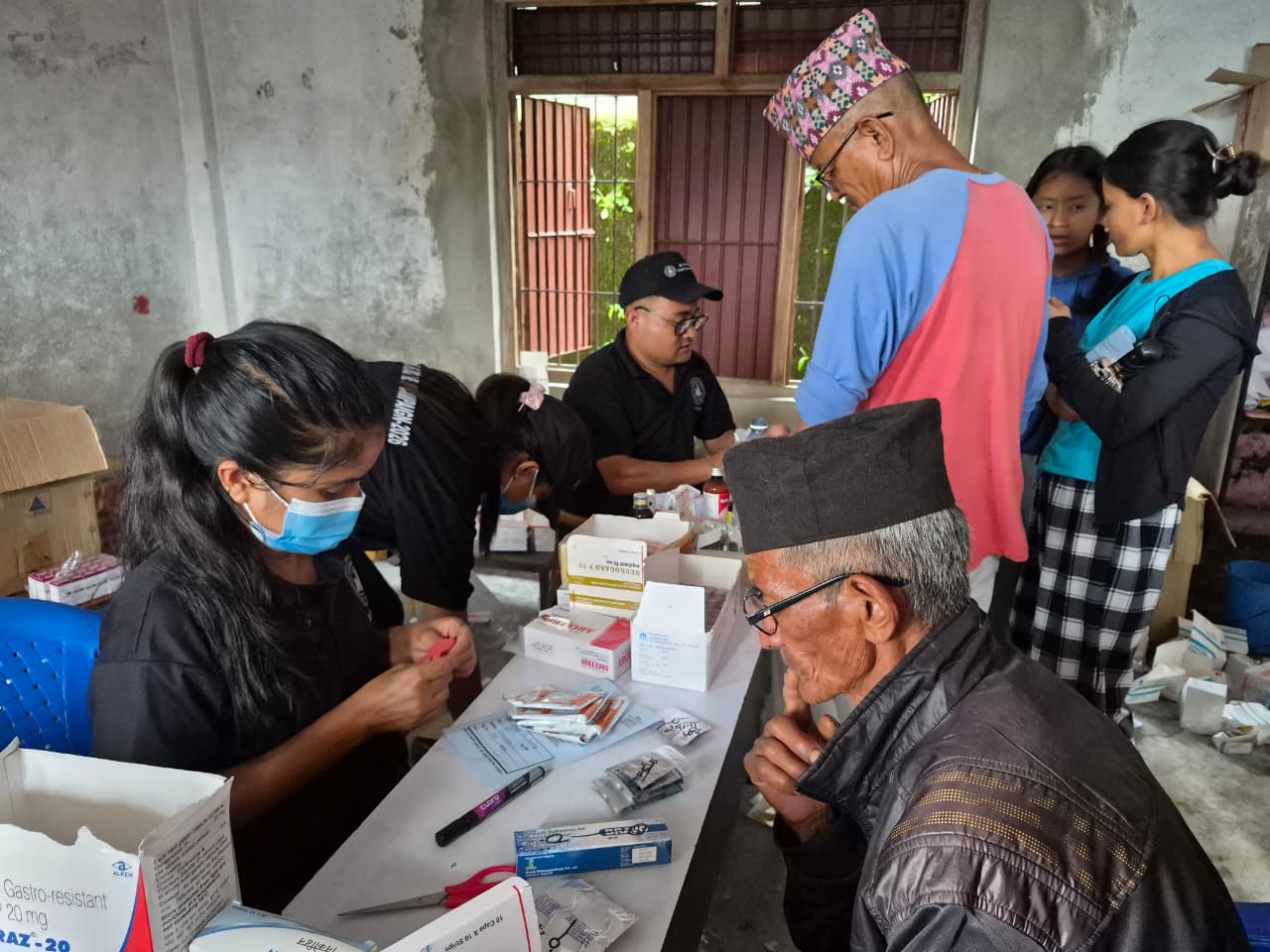
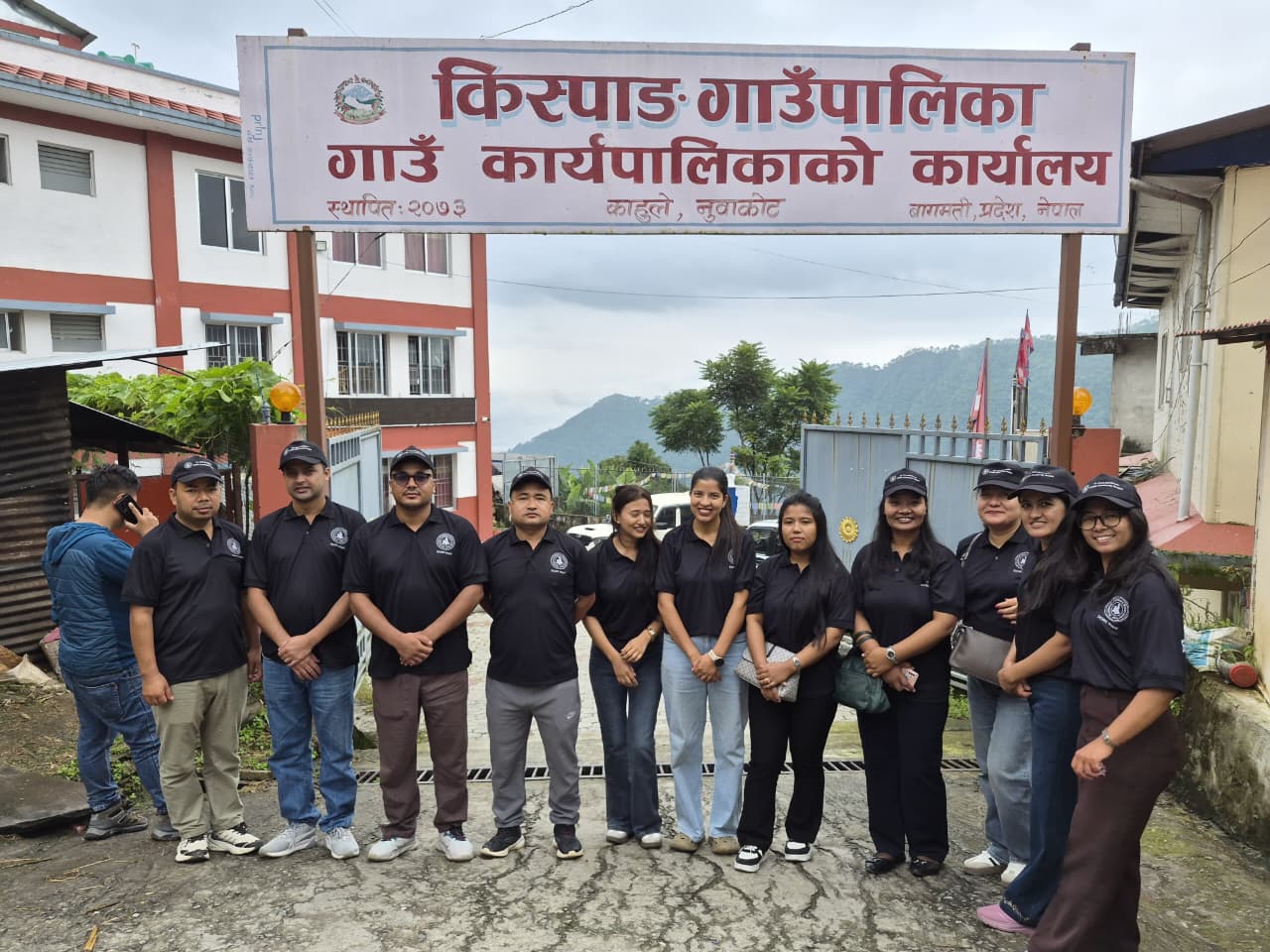
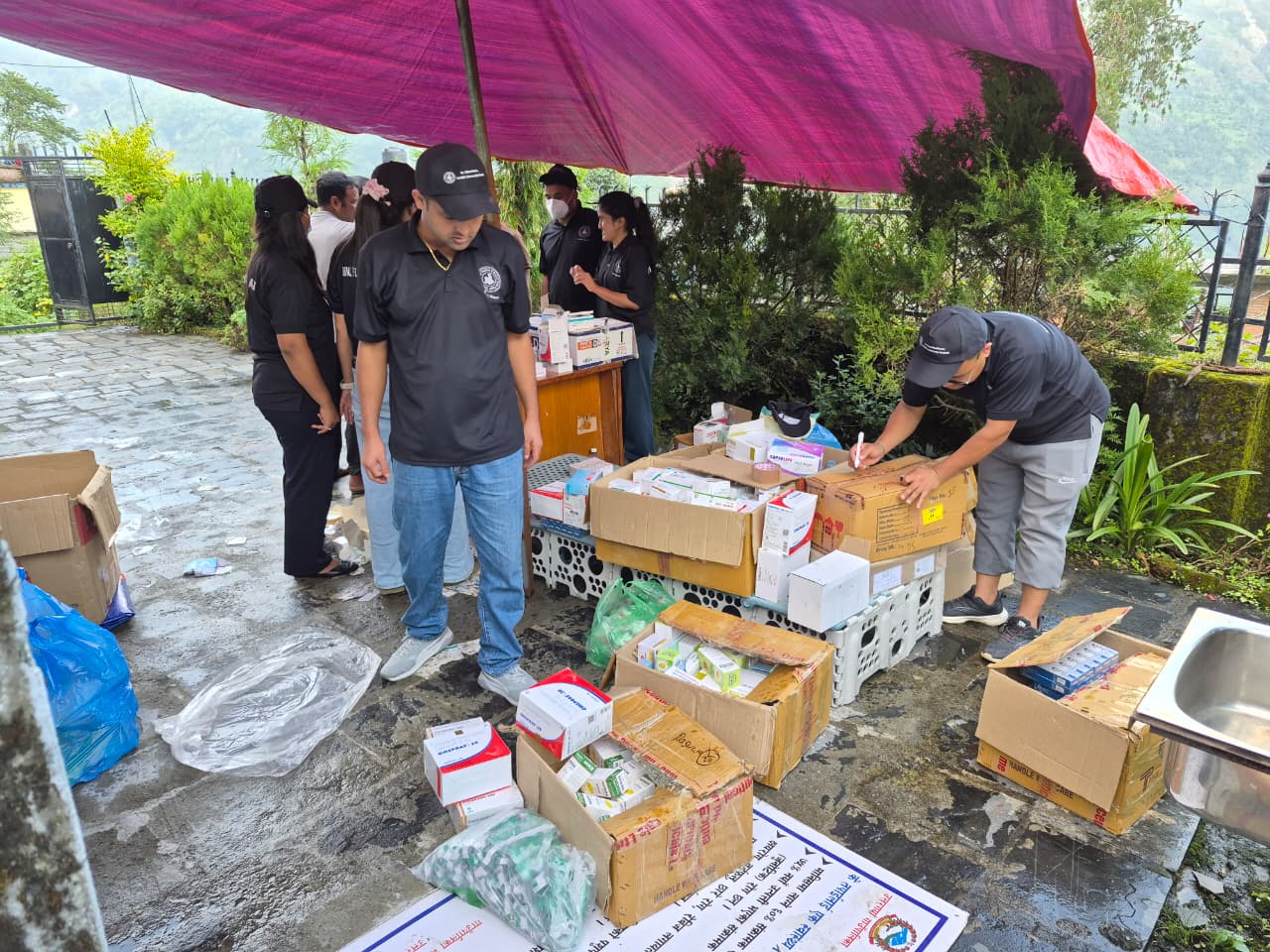
On 16 September 2026, essential medicines were handed over to the Kispang Rural Municipality office. The medicines were intended for people requiring regular medication who were unable to reach hospitals or health facilities to obtain their medicines because of the flood-related situation. The local government was requested to distribute the medicines to the identified beneficiaries.
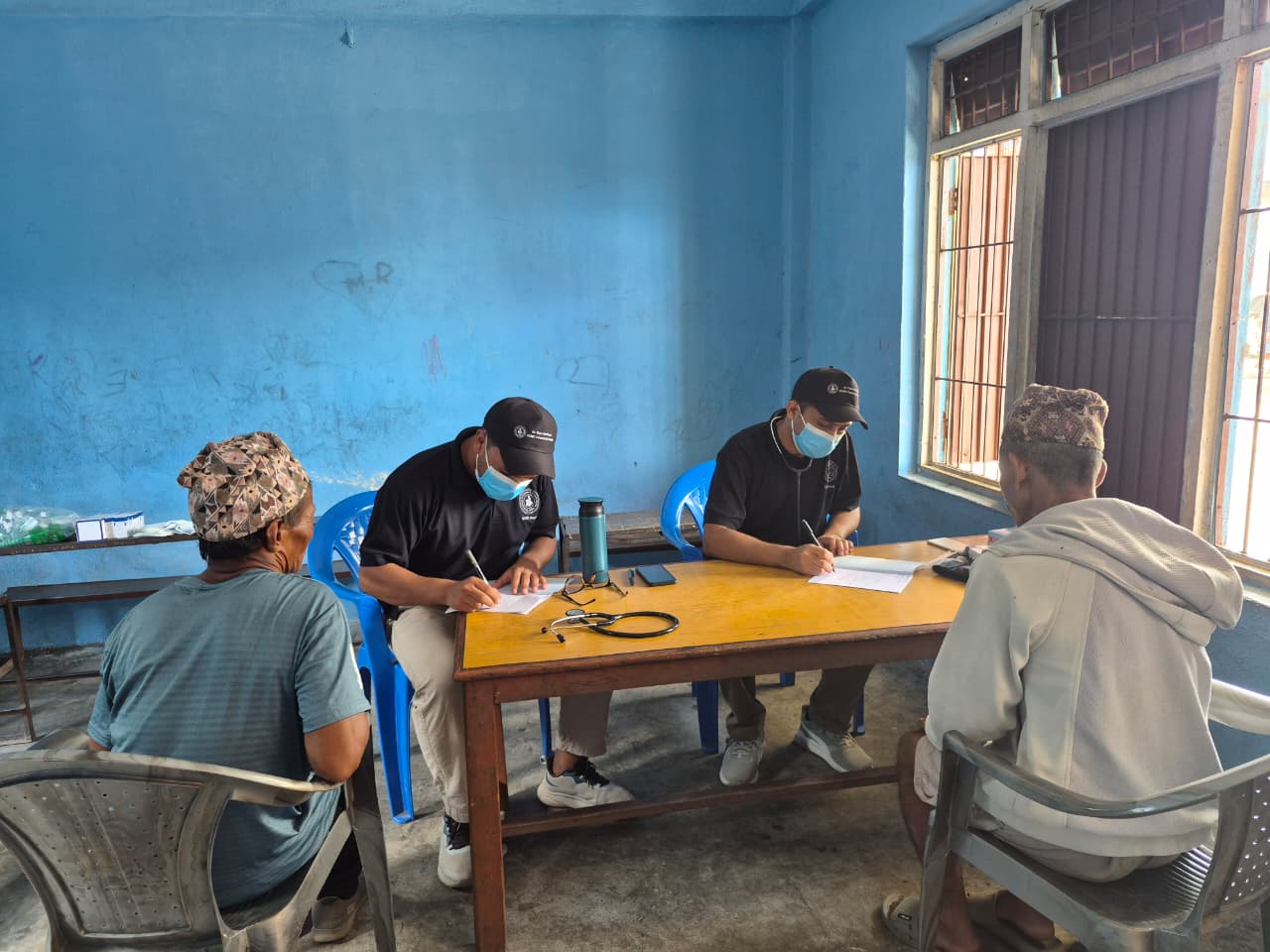
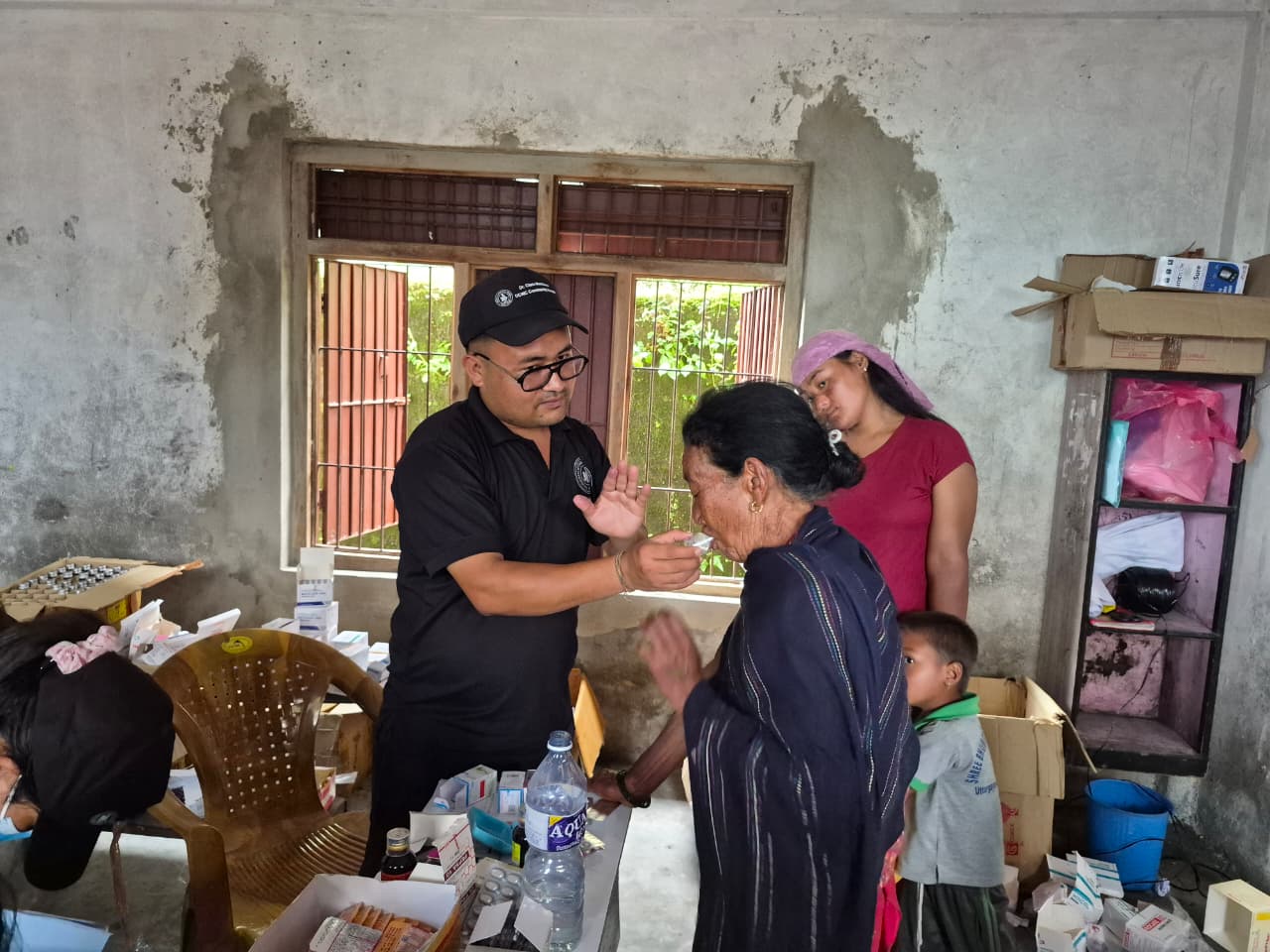
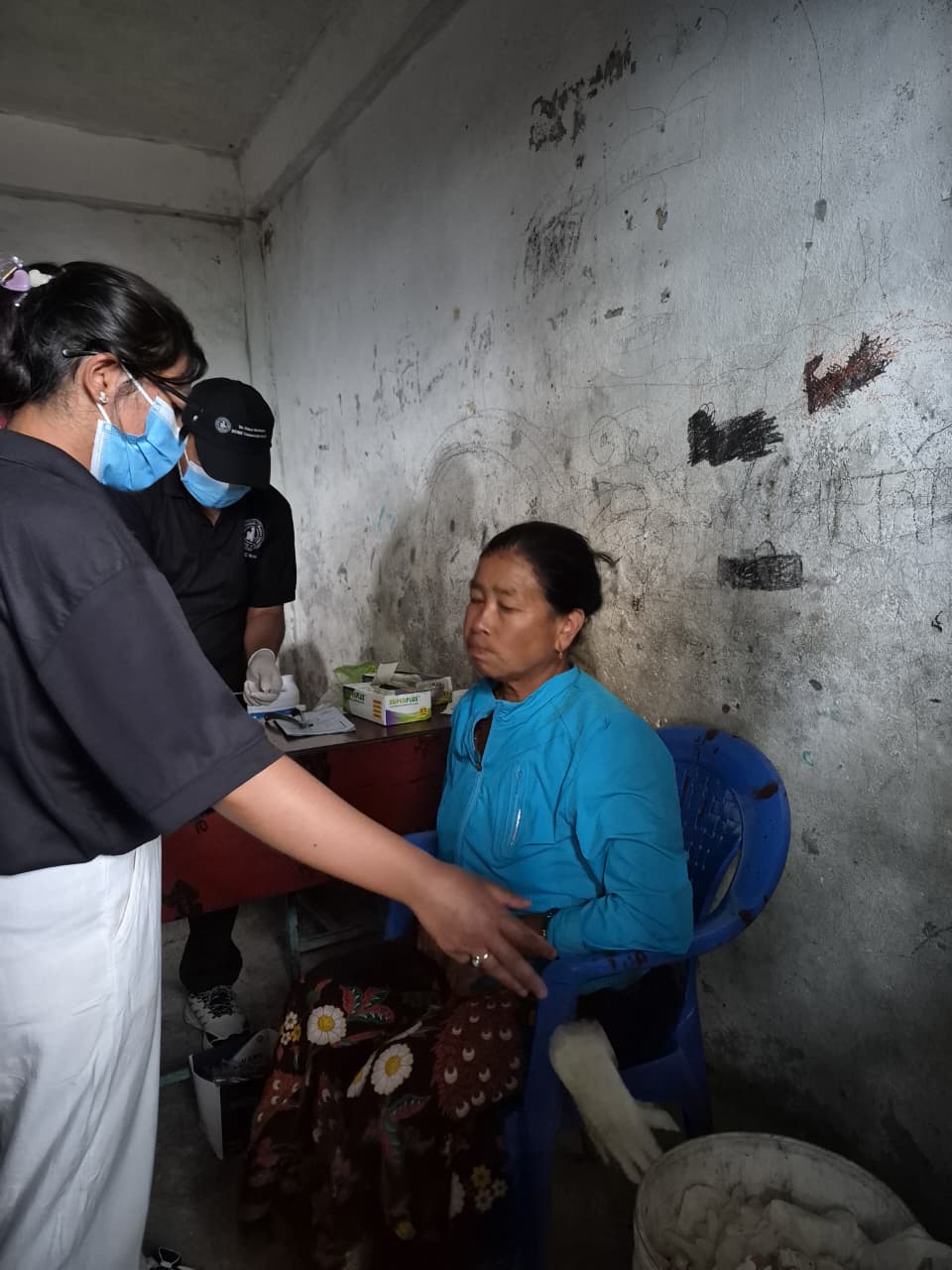
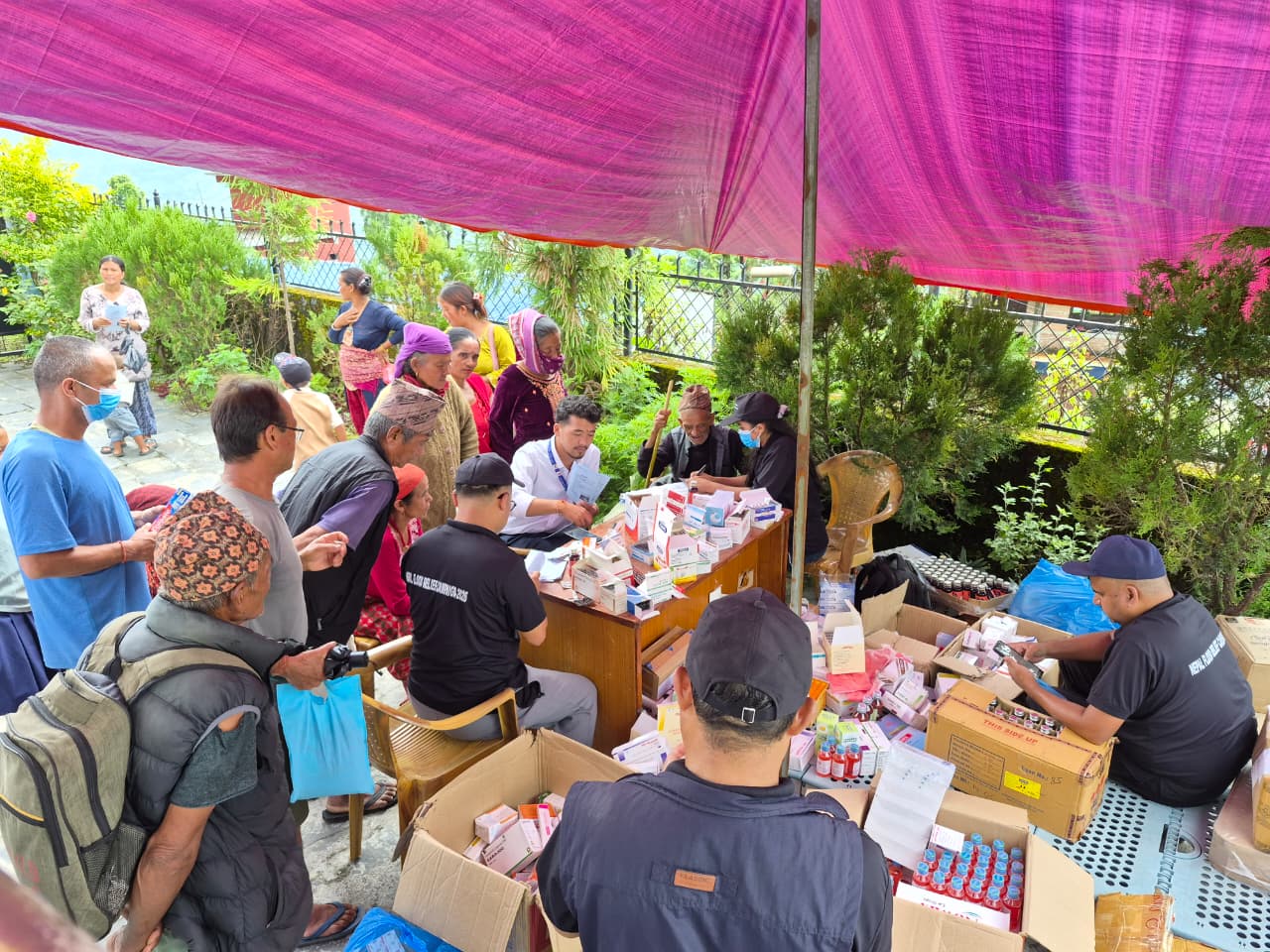
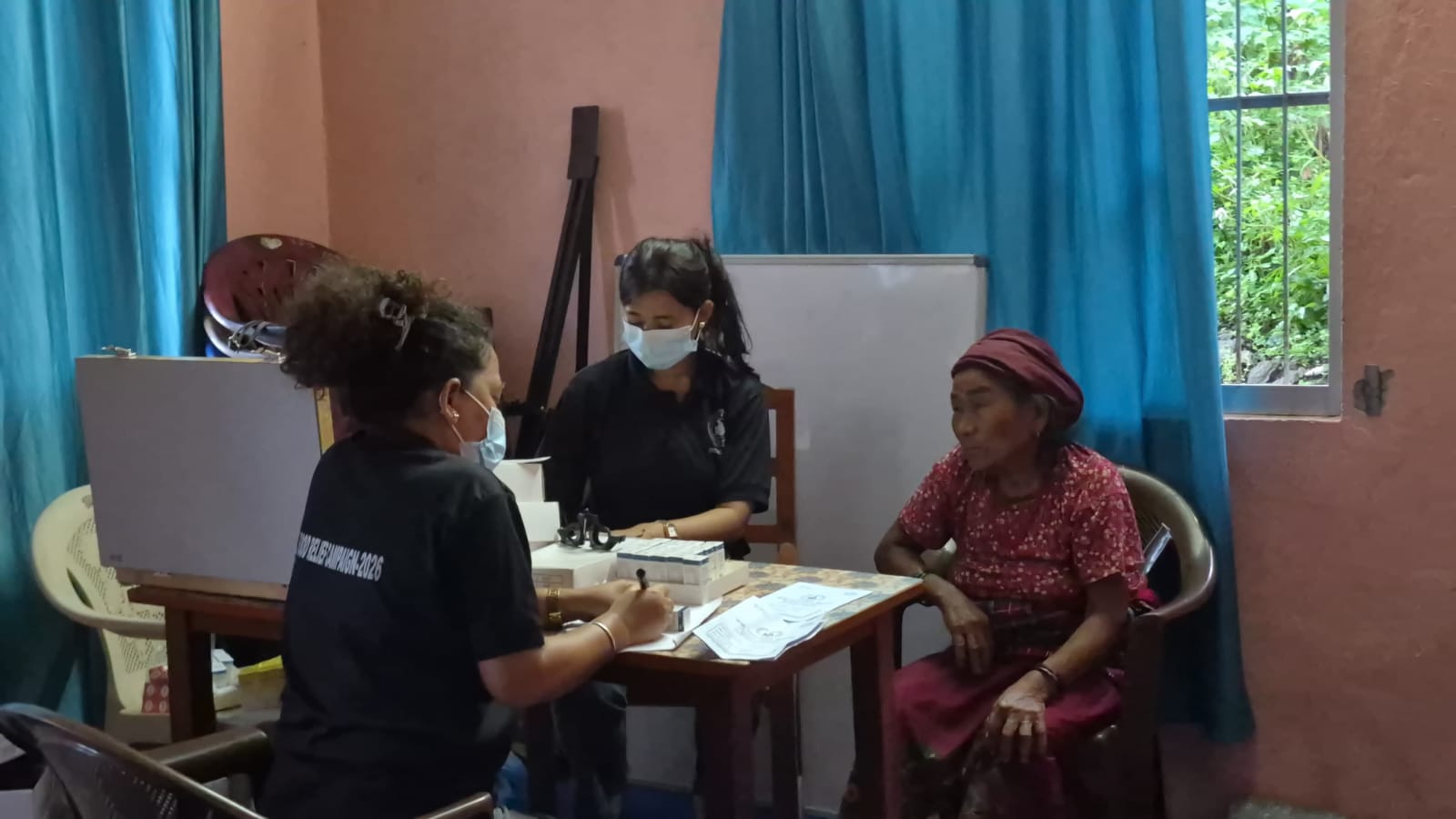
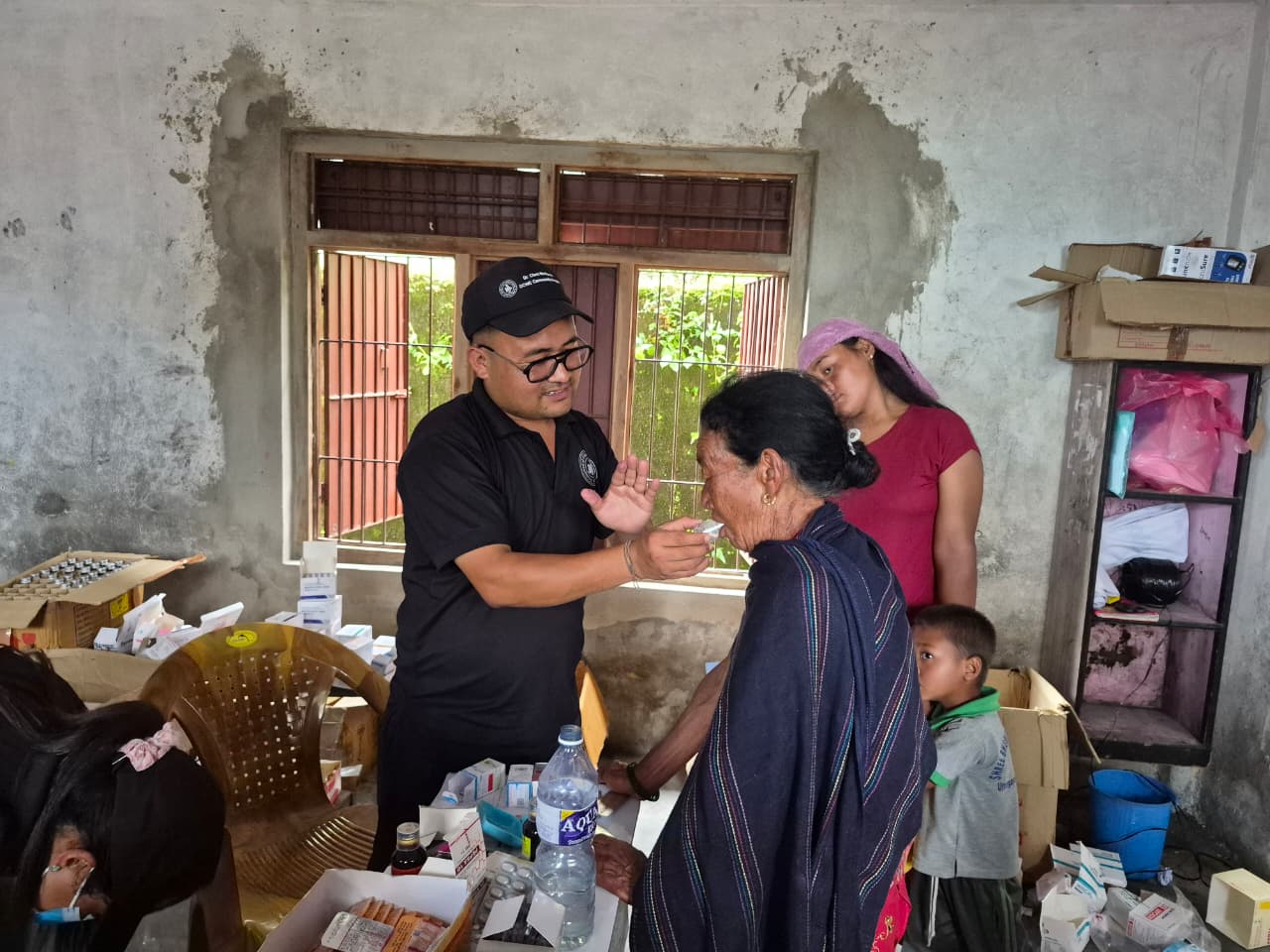
Activity 2: Free Health Camp – Dandagaun, Uttargaya Rural Municipality Ward 2 A free health camp was conducted at Dandagaun on 17 September 2026. A total of 207 patients benefited, including 84 males and 123 females. Services included eye care for 86 patients, dental care for 33 patients, gynaecological services for 50 patients, and general medicine services for 158 patients. Necessary medicines were also provided to beneficiaries as appropriate.
Activity 3: Free Health Camp – Thulogaun, Uttargaya Rural Municipality Ward 3 A free health camp was conducted at Thulogaun on 18 September 2026. A total of 341 patients benefited, including 135 males and 206 females. Services included eye care for 216 patients, dental care for 55 patients, gynaecological services for 46 patients, and general medicine services for 256 patients. Medicines were provided as part of the health camp services.
Activity 4: Food Distribution – Thulogaun, Ward 3
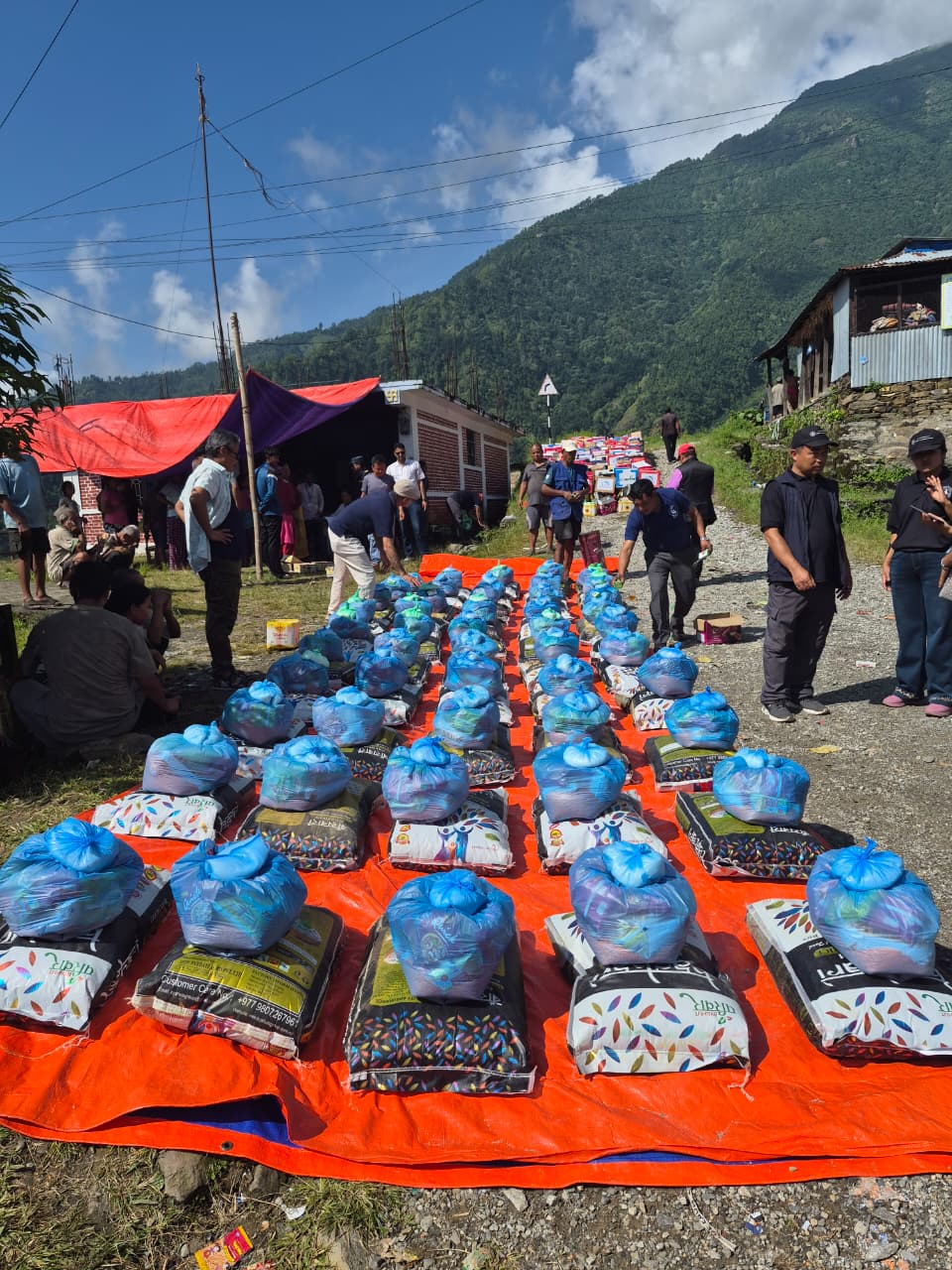
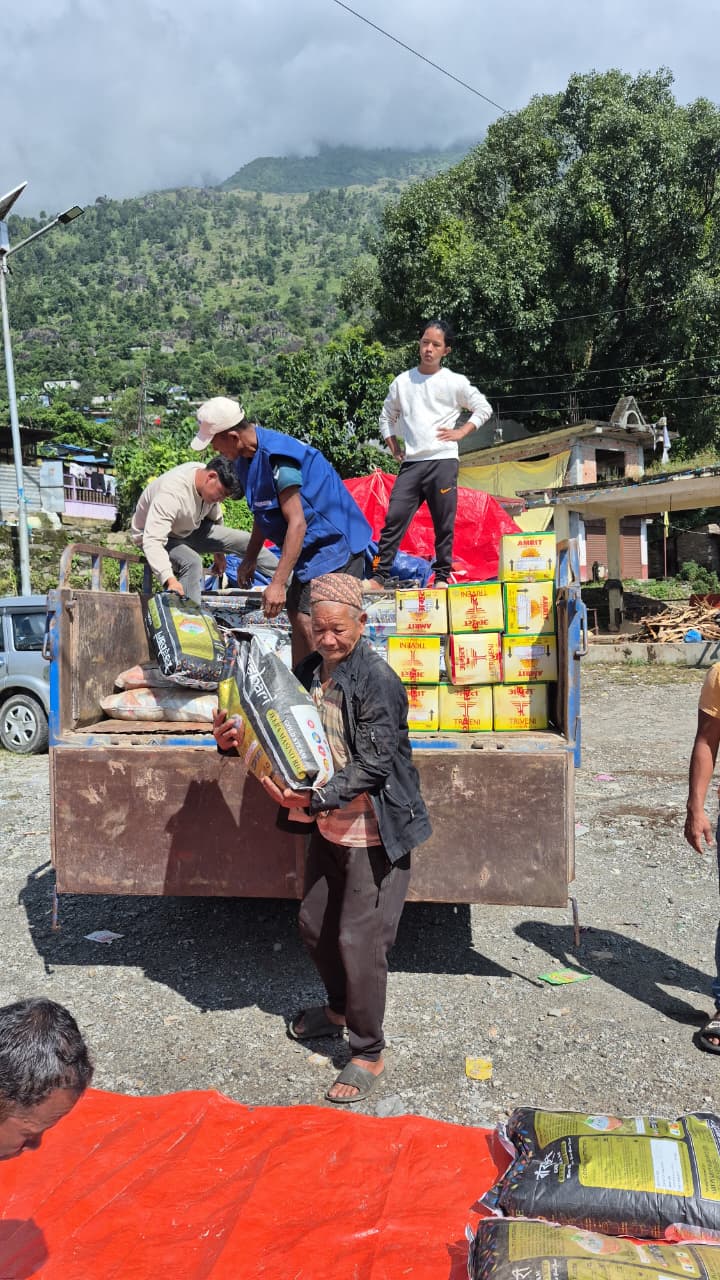
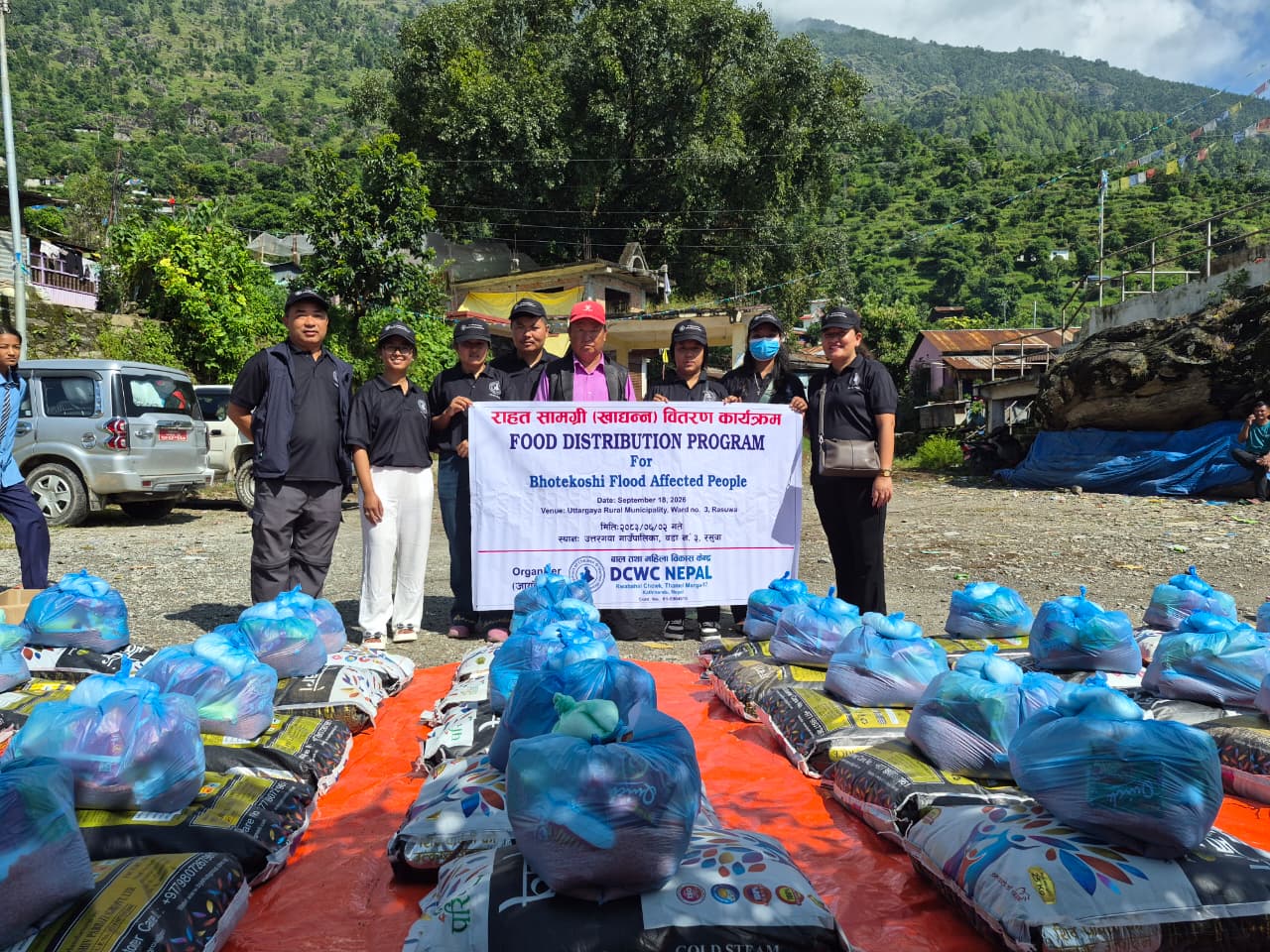
Food assistance was distributed on 18 September 2026 to 50 flood-affected families in Thulogaun, Uttargaya Rural Municipality Ward 3. The distribution consisted of 50 bags of rice, 100 litres of edible oil and 100 kg of salt. Other organizations were also present and distributing food materials because the quantity available through this response was insufficient to cover all affected households in the village.
Activity 5: Food Distribution – Dandagaun, Ward 2
Food assistance was distributed on 18 September 2026 to 50 flood-affected families in Dandagaun, Uttargaya Rural Municipality Ward 2. The distribution consisted of 50 bags of rice, 100 litres of edible oil and 100 kg of salt. Other organizations were also supporting affected families with food materials, as the available supplies from this response could not cover all affected households in the village.
∙ The flood-affected communities continued to face difficulties accessing health facilities and regular medicines.
∙ The free health camps were highly useful because they brought multiple services—including eye, dental, gynaecological and general medical care—directly to village communities. ∙ A total of 548 patient visits/beneficiaries were recorded at the two health camps: 207 in Dandagaun and 341 in Thulogaun.
∙ Across the two camps, 219 males and 329 females benefited.
∙ The two camps recorded 302 eye-care consultations, 88 dental consultations, 96 gynaecological consultations and 414 general-medicine consultations.
∙ Food assistance reached 100 families in total, with 50 families supported in each of the two wards. ∙ Coordination with health centres, ward offices, teachers and local volunteers helped facilitate beneficiary identification, community mobilization and smooth operation of the camps. ∙ The presence of other organizations providing relief indicates continued needs in the affected villages and the importance of coordination to reduce duplication and improve coverage.
Summary of Key Outputs
|
Indicator |
Output |
|
Implementation period |
16–19 September 2026 |
|
Free Health camps |
2 |
|
Free Health camp beneficiaries |
548 |
|
Male beneficiaries |
219 |
|
Female beneficiaries |
329 |
|
Eye-care services |
302 |
|
Dental services |
88 |
|
Gynaecological services |
96 |
|
General medicine services |
414 |
|
Families receiving food assistance |
100 |
|
Rice distributed |
100 bags |
|
Edible oil distributed |
200 litres |
|
Salt distributed |
200 kg |
|
Essential medicines handed over |
Kispang Rural Municipality office |
The response was well received by the affected communities and local stakeholders. Community members expressed appreciation for receiving specialist health services and medicines in their own villages, particularly because travel to hospitals and health facilities remained difficult for many people. The health camps were therefore found to be very fruitful and responsive to the immediate needs of the affected population.
The successful implementation of the activities was supported by coordination with health centres, respective ward office officials, teachers and local volunteers. Their cooperation was important for community mobilization, organization of the health camps and distribution of relief materials. The response also highlighted the importance of providing services close to affected communities after a disaster. Combining specialist health consultations with medicines increased the practical value of the health camps. At the same time, the limited quantity of food supplies demonstrated that needs remained greater than the available resources. Future responses would benefit from early assessment of household needs, stronger coordination among relief organizations, and mobilization of additional resources so that assistance can reach a larger proportion of affected families.
Sincere thanks are extended to Gary Collier, Love Nepal, UK, and Steve Gross and friends, USA, for their financial and humanitarian support. Appreciation is also extended to Kispang Rural Municipality, Uttargaya Rural Municipality, ward representatives, health personnel, teachers, volunteers and community members for their cooperation and support.